
9 Common Bat Entry Points in North Carolina Homes
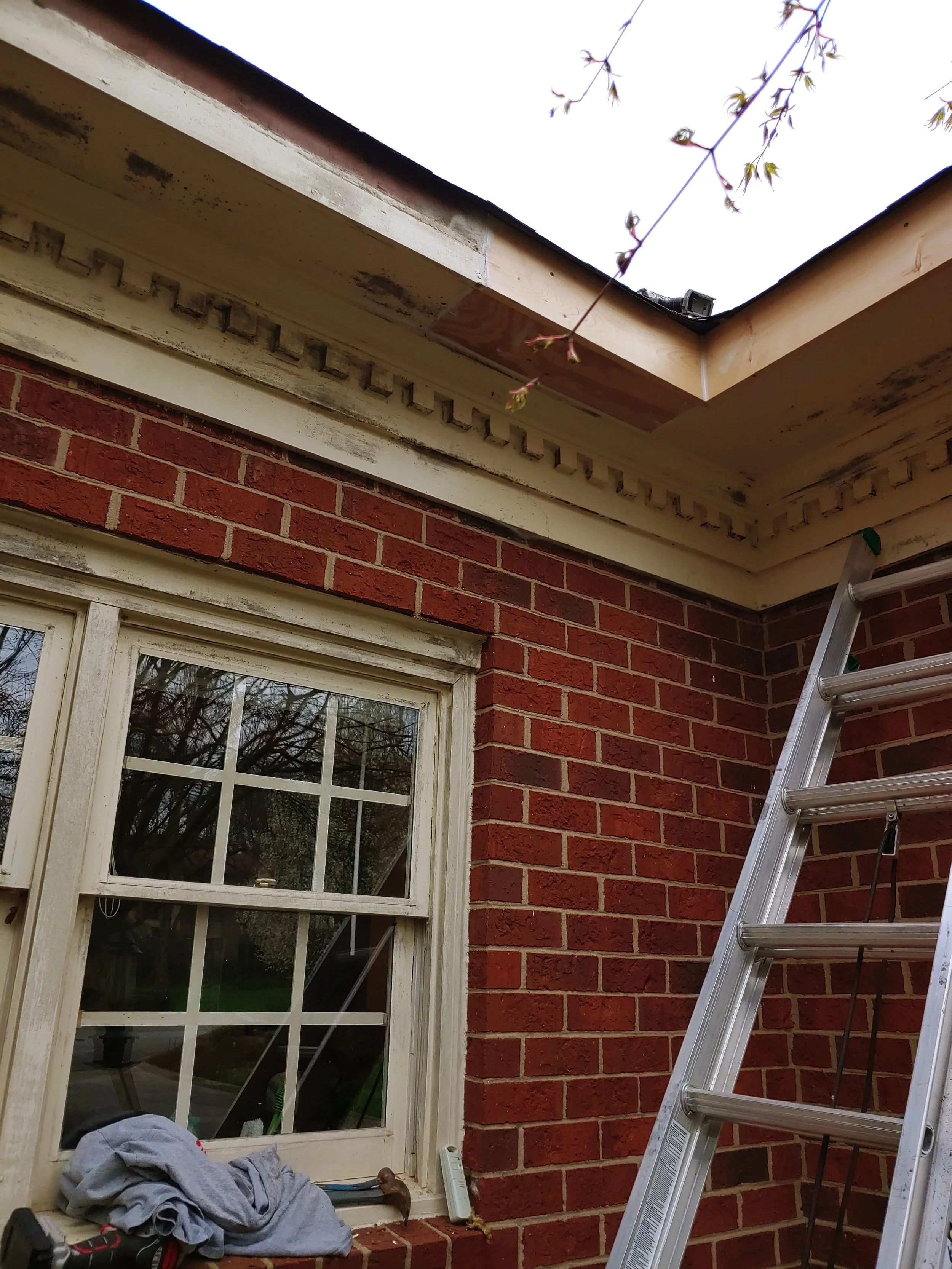
Bats often enter through small, sheltered gaps along roof edges, vents and soffits.
Seeing bats circle your roofline at dusk can be unsettling—especially when they seem to disappear into the house. Bats do not need a wide-open hole to reach an attic. A small construction gap, loose building material or unprotected vent may be enough.
Late summer is an important time for Triad homeowners to pay attention. In North Carolina, the standard bat-eviction restriction runs from May 1 through July 31 while flightless pups may be present. Beginning August 1, exclusions can generally resume, but the work must still be completed carefully and humanely.
If you have noticed bats near your Greensboro, Winston-Salem, High Point or Kernersville home, start with these nine common entry points.
1. Gable Vents
Gable vents provide necessary attic ventilation, but loose screens, torn mesh and gaps around their frames can also create ideal bat entrances. Because these vents are elevated and often sheltered beneath a roof peak, they offer a protected route into the attic.
Look for staining beneath the vent, small droppings on a ledge or repeated bat activity around dusk. The solution should secure the vent without blocking the airflow your attic needs.
2. Ridge Vents
A ridge vent runs along the peak of a roof and allows hot air to escape. If the vent is loose, damaged or poorly protected, bats may slip beneath its edges and into the attic.
A professionally installed ridge-guard system reinforces this vulnerable area with durable material while preserving roof ventilation. Simply filling gaps with foam can restrict airflow and may not withstand wildlife.
3. Gaps Beneath Shingles or Roof Decking
Loose shingles, lifted roofing material and separations between shingles and roof decking can create sheltered openings. These gaps may be difficult to see from the ground and can worsen after storms, heat exposure or normal aging.
Do not climb onto the roof to investigate. A wildlife professional can inspect the roofline safely and determine whether the opening is active or only a potential vulnerability.
4. Damaged or Loose Soffits
Soffits cover the underside of roof overhangs. Warped panels, deteriorated wood, loose trim or openings where soffits meet brick or siding may give bats direct access to the attic.
Soffit damage can also admit squirrels, birds and insects. Repair must be durable and should occur only after an active bat roost has been properly excluded.
5. Fascia Boards and Roof Returns
Fascia boards run along the roof edge, while roof returns are the small boxed areas where rooflines and exterior walls meet. Rot, construction gaps and separated joints in these areas are common wildlife vulnerabilities.
Bats may use the same narrow opening repeatedly, leaving subtle discoloration or droppings below the entrance. Because the gap may lead into a larger hidden void, an exterior-only glance does not always reveal the full problem.
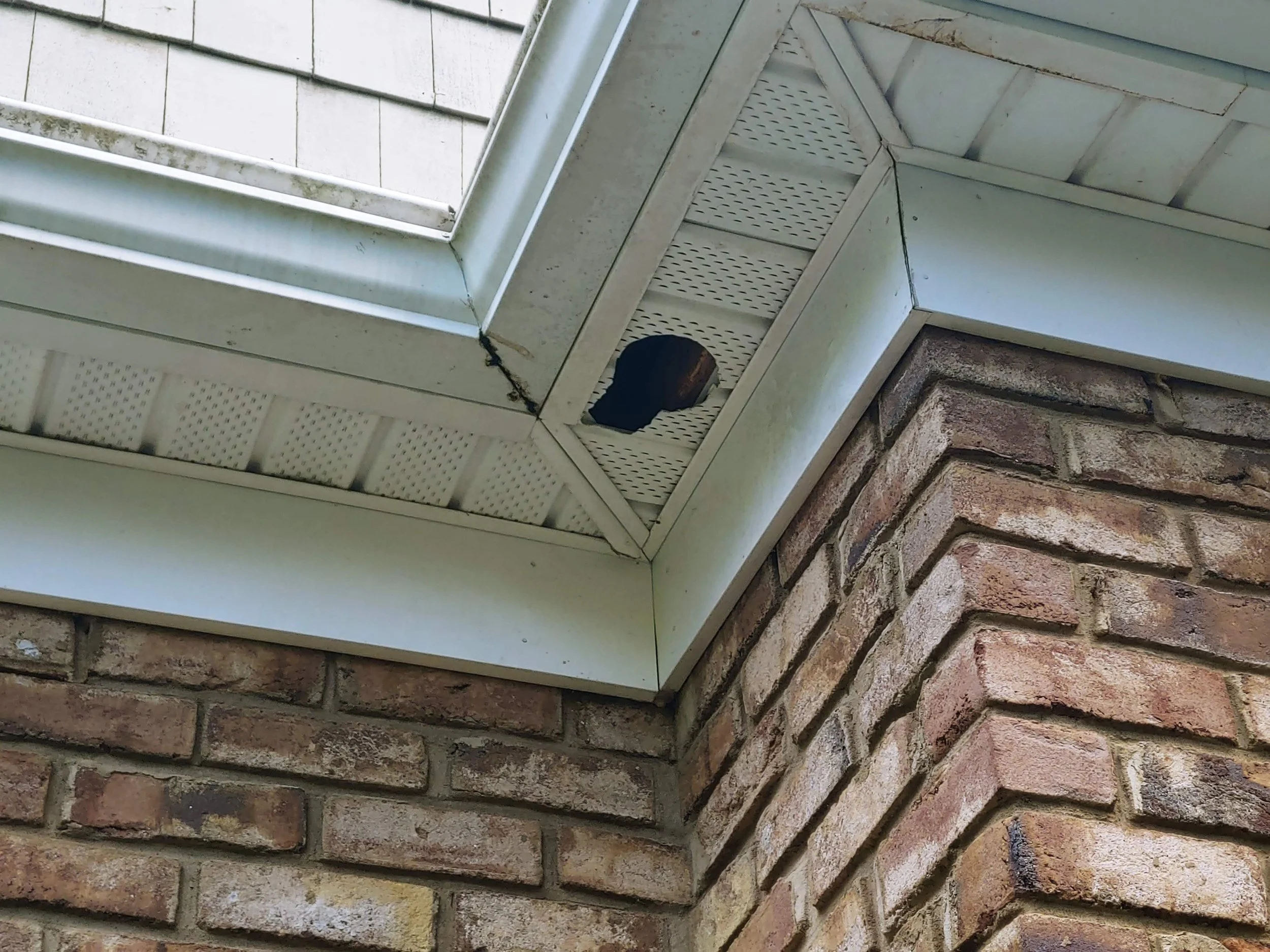
Small construction gaps around soffits and intersecting rooflines can provide access to hidden attic spaces.
6. Chimneys and Flashing
An uncapped chimney, damaged chimney screen or gap around flashing can provide entry into the chimney structure or attic. Bats may also roost behind loose trim near a chimney.
A chimney cap or repair should be selected and installed carefully so it addresses the opening without interfering with safe ventilation. If a bat has entered the living space through a fireplace, close interior doors, keep people and pets away and seek professional guidance.
7. Attic Fans and Roof Vents
Attic fans and roof vents can become entry points when screens are missing, deteriorated or easy to push aside. Openings around the fan housing may be just as important as the vent itself.
A wildlife-resistant attic fan guard can protect the opening while allowing the system to function. The entire perimeter should be checked rather than covering only the most obvious gap.
8. Siding, Trim and Utility Penetrations
Bats may exploit gaps behind loose siding, around exterior trim or where pipes and cables pass through a wall. These openings can lead into wall cavities that connect with the attic.
Pay special attention where different building materials meet. Small gaps around brick, siding, wood trim and roof intersections are easy to overlook during routine home maintenance.
9. Dormers, Eaves and Intersecting Rooflines
Dormers and complex roof intersections create numerous seams, corners and shaded ledges. A small separation at one junction can offer bats a protected entrance that is difficult to observe from the yard.
These areas require careful inspection because sealing only one visible gap may leave nearby access points open. Effective bat-proofing evaluates the home as a complete system.
Signs Bats May Be Using One of These Openings
You may never see a bat sitting inside the opening. Instead, look for patterns and evidence such as:
Bats emerging from the same area shortly after sunset
Rice-sized droppings accumulating below a roof or vent opening
Dark staining around a frequently used gap
Soft scratching or chirping near an exterior wall or ceiling
A persistent musty odor in the attic
Guano or staining on attic insulation and framing
A bat appearing inside the living area
Bat droppings can resemble mouse droppings, and visual identification is not always reliable. Avoid sweeping, vacuuming or disturbing accumulated waste before the area has been evaluated.
Why You Should Not Seal an Active Bat Opening
Sealing the opening while bats are inside can trap them in the structure and cause them to search for another way out—sometimes into the living space. During the pup-rearing period, premature sealing can also separate mothers from young that cannot yet fly.
North Carolina guidance recommends eviction and exclusion rather than trapping or killing bats. A proper process identifies active exits, seals secondary openings, installs one-way devices that allow bats to leave but not return, confirms the roost is empty and then permanently closes the remaining entrance.
What Happens During Professional Bat Exclusion?
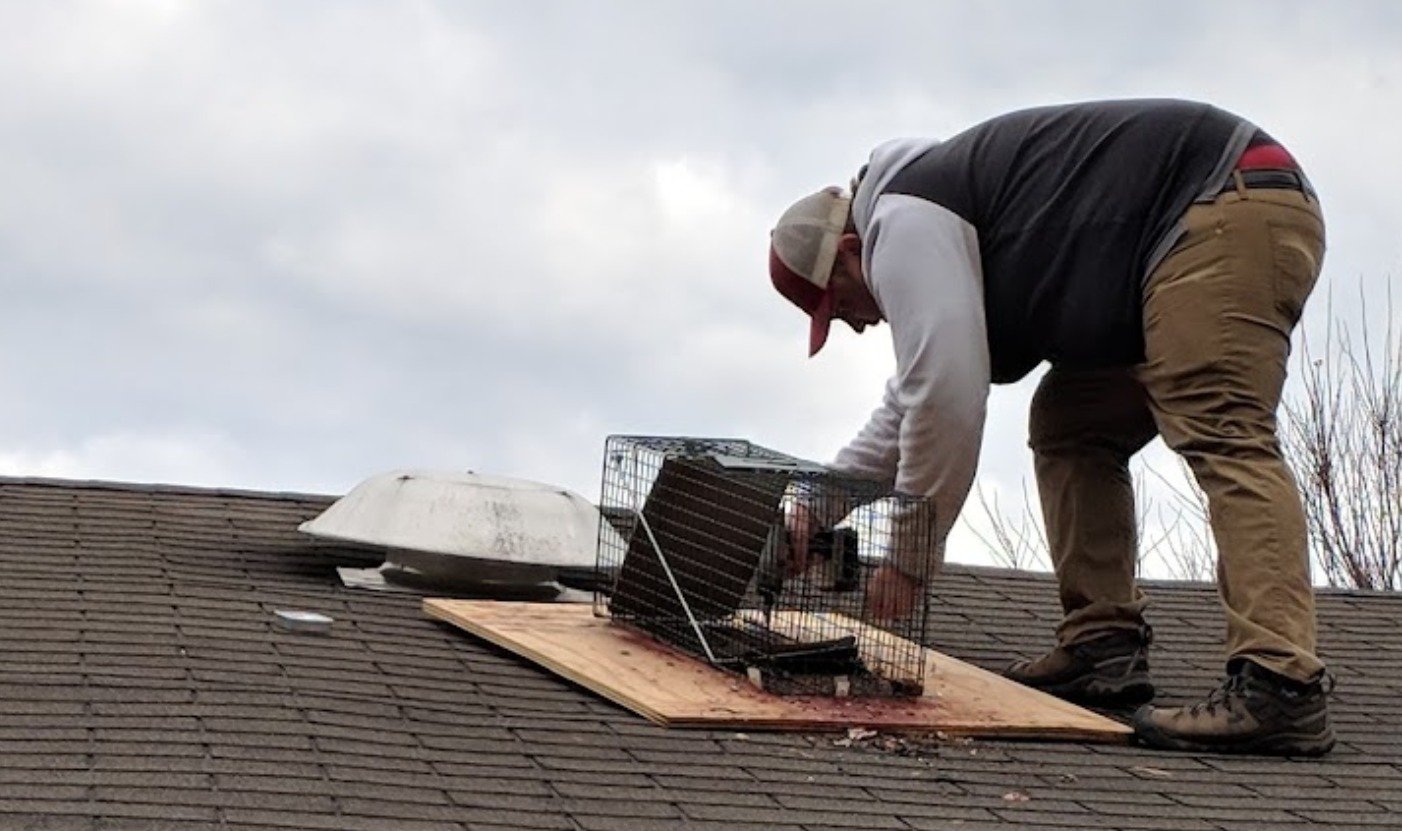
Professional bat exclusion begins with a detailed inspection of the entire roofline.
A professional bat-exclusion plan generally includes:
Inspection of the attic, roofline, vents, soffits and exterior transitions
Identification of active exits and secondary gaps
Sealing of potential reentry points with wildlife-resistant materials
Installation of one-way exclusion devices at active openings
Monitoring to confirm the bats have left
Permanent closure of the former entrance
Evaluation of guano, odors and contaminated insulation
Recommendations for cleanup, attic remediation or insulation replacement when needed
The goal is not simply to make the bats leave for one night. It is to prevent the colony from returning through another unprotected section of the home.
Check Your Roofline Before Cooler Weather Arrives
Late summer offers a valuable window to address an active bat problem and repair vulnerable areas before fall. Bats often return to successful roosts, so permanent repairs matter even after activity appears to stop.
From gable vents and ridge lines to damaged soffits and attic fans, Triad Wildlife Experts can identify how bats are entering, complete a humane exclusion and help restore affected attic areas. Our team serves Greensboro, Winston-Salem, High Point, Kernersville, Clemmons, Lewisville, Oak Ridge, Stokesdale and surrounding Triad communities.
If you see bats near your roofline or suspect they are living in your attic, contact Triad Wildlife Experts to schedule a professional bat inspection.
Frequently Asked Questions
-
The standard North Carolina bat-eviction restriction is May 1 through July 31, when flightless pups may be present. Exclusions can generally resume beginning August 1, subject to applicable wildlife guidance and site-specific conditions.
-
Bats can use very small construction gaps. Rather than relying on a single minimum measurement, homeowners should have narrow roofline, vent, trim and siding gaps evaluated for signs of repeated use.
-
Bats may leave nightly to feed, but they can return to the same roost. A one-way exclusion followed by permanent repairs is designed to let them exit while preventing reentry.
-
Cleanup needs depend on the size and duration of the roost. After exclusion, a professional can assess guano, odors and damaged insulation and recommend appropriate remediation.
