
Bat Maternity Season in North Carolina Explained
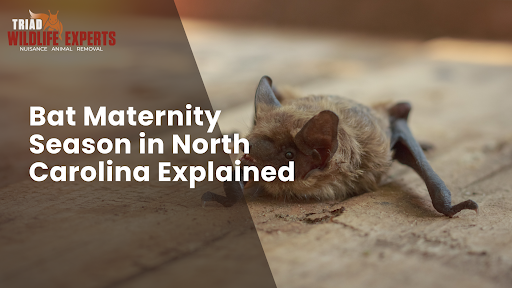
Every spring and summer, homeowners across Greensboro, Winston-Salem, High Point, and surrounding North Carolina communities begin noticing increased bat activity around their homes.
What many people don’t realize is that this time of year marks bat maternity season - a period when female bats gather together to give birth and raise their young.
Understanding how maternity season works is important because it directly impacts when and how bats can safely be removed from a home.
What Is Bat Maternity Season?
Bat maternity season is the time of year when female bats form colonies to give birth and care for baby bats, called pups.
In North Carolina, maternity season typically occurs between:
Late spring
Summer months
Early fall in some cases
During this time, baby bats are unable to fly for several weeks and depend entirely on their mothers for survival.
Because of this, humane bat removal becomes much more delicate and regulated during maternity season.
Why Bats Choose Homes During Maternity Season
Attics are especially attractive to bats because they provide:
Warm temperatures
Protection from predators
Quiet shelter
Stable conditions for raising pups
Unfortunately, once bats establish a maternity colony inside an attic, the population can grow quickly.
Common entry points include:
Roof gaps
Soffits
Chimneys
Ridge vents
Attic fan openings
Preventative exclusion products like vent guards and attic fan guards can help reduce future wildlife intrusions.
Learn more here: Foundation Vent Guards Attic Fan Guards
Why Bat Removal During Maternity Season Requires Special Care
One of the biggest mistakes homeowners make is sealing entry points too early.
If baby bats are trapped inside:
They cannot survive without their mothers
Odors can develop inside walls or attics
Insect activity may increase
The infestation often worsens
Professional wildlife specialists carefully evaluate timing and exclusion methods to avoid separating mothers from pups.
At Triad Wildlife Experts, humane removal methods are designed to safely remove bats while preventing re-entry.
Signs You May Have a Bat Maternity Colony
Some common warning signs include:
Increased bat sightings at dusk
Chirping noises in walls or attics
Guano accumulation
Strong musty odors
Staining around roof entry points
Maternity colonies often become more noticeable during the warmer months when bat activity increases.
The Hidden Damage Bats Can Cause
Even though bats themselves are beneficial to the environment, large colonies inside homes can create significant issues over time.
Potential concerns include:
Insulation contamination
Strong odors
Ceiling stains
Air quality concerns
In many cases, attic remediation is recommended after removal to restore the affected space.
Explore attic restoration services here:Attic Remediation & Insulation Services
How Homeowners Can Prevent Future Bat Problems
Prevention is one of the most important parts of long-term wildlife control.
Helpful prevention measures include:
Sealing roof gaps
Installing vent protection
Replacing damaged screens
Inspecting attic vents
Scheduling professional inspections
Bat exclusion should always focus on both removal and prevention to avoid recurring infestations.
Bat Removal Services in the North Carolina Triad
If you suspect bats may be roosting in your attic, acting early can help prevent larger colonies and costly cleanup later.
Triad Wildlife Experts provides humane bat removal, exclusion, attic cleanup, and wildlife prevention services throughout:
Greensboro
Winston-Salem
High Point
Burlington
Surrounding Triad communities
