
Bat Removal Season Begins August 1: What North Carolina Homeowners Need to Know
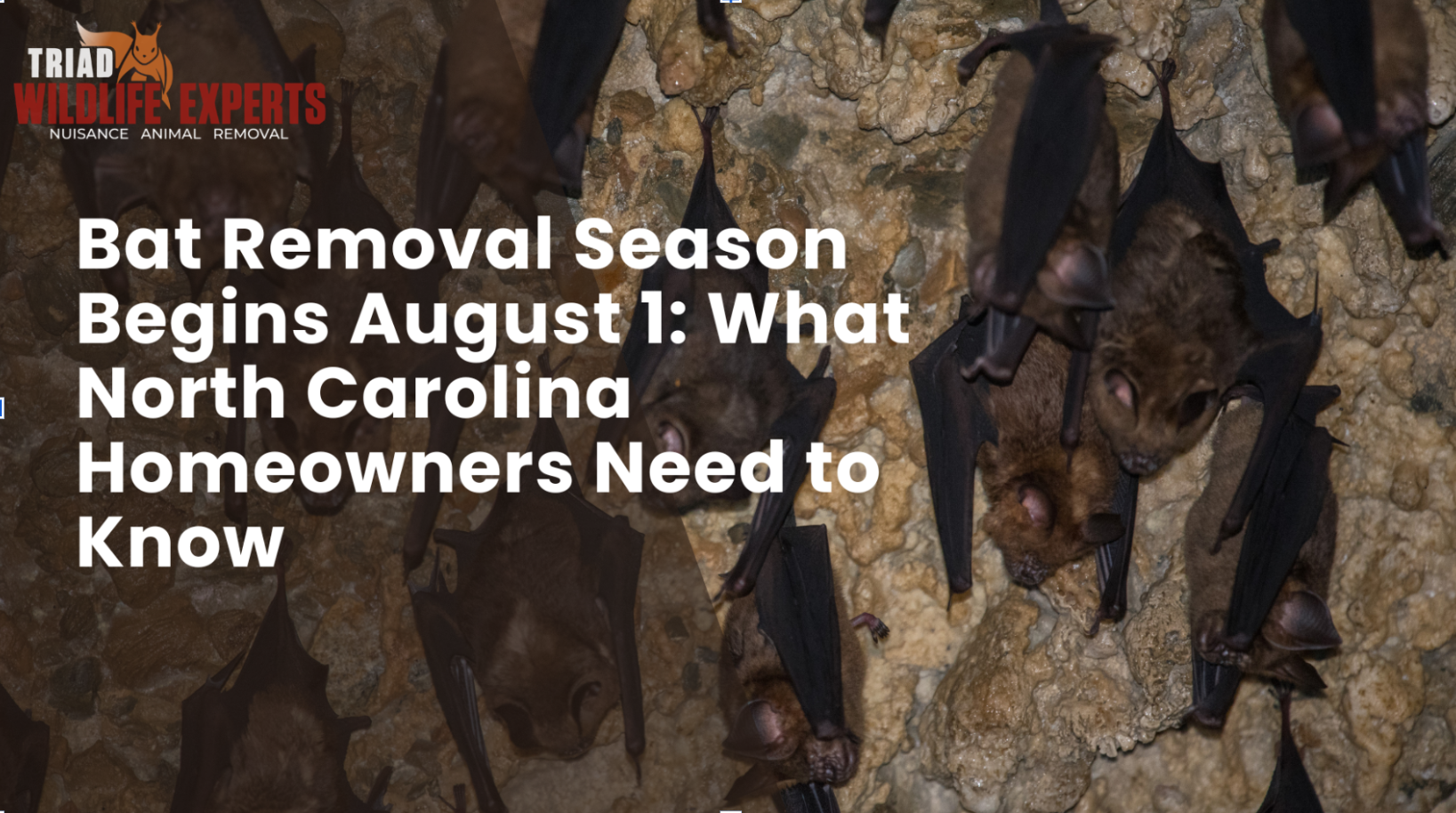
If you have been hearing scratching or fluttering sounds in your attic, noticing droppings near your roofline, or seeing bats leave your home around dusk, August marks an important change for North Carolina homeowners.
North Carolina’s annual bat eviction moratorium runs from May 1 through July 31. Beginning August 1, licensed wildlife professionals can generally resume humane bat exclusion services.
For homeowners throughout Greensboro, Winston-Salem, High Point, Kernersville, and surrounding Triad communities, this is an ideal time to schedule a professional bat inspection. Addressing a colony promptly can help prevent additional contamination, odors, insulation damage, and future entry into the home.
Why Is Bat Removal Restricted From May Through July?
Bats commonly give birth and raise their young during late spring and summer. Young bats, called pups, cannot fly for the first several weeks of their lives and depend entirely on their mothers for food and protection.
If adult bats are excluded from a building while flightless pups remain inside, the mothers may be unable to return to the roost. This can leave young bats trapped inside attics, walls, and other parts of the structure.
Improper exclusion during maternity season can create several serious problems:
Young bats may die inside the building.
Adult bats may search for alternate ways back into the home.
Bats may accidentally enter bedrooms or other living spaces.
Dead bats can create odors and sanitation concerns.
Homeowners may face a larger and more complicated removal problem.
To protect young bats and reduce risks to homeowners, theNorth Carolina Wildlife Resources Commission places a moratorium on bat evictions from May 1 through July 31.
Beginning August 1, pups are generally able to fly out of the roost with the adult bats, allowing humane exclusion work to resume.
What Is Bat Exclusion?
Bat exclusion is the process of allowing bats to leave a structure safely while preventing them from getting back inside. It does not involve poisons, pesticides, or indiscriminate trapping.
A professionalbat removal and exclusion service typically begins with a detailed inspection of the attic, roofline, vents, soffits, fascia, siding, and other potential entry points.
Once the property has been evaluated, a wildlife professional can:
Identify the bats’ primary exit points.
Locate smaller gaps that could provide alternate access.
Seal secondary openings around the home.
Install one-way exclusion devices at active exits.
Allow the bats to leave naturally.
Confirm that the colony has exited.
Seal the remaining openings to prevent re-entry.
Bats can squeeze through surprisingly small openings, so simply closing the most visible hole is rarely enough. A successful exclusion requires carefully identifying and securing all potential access points.
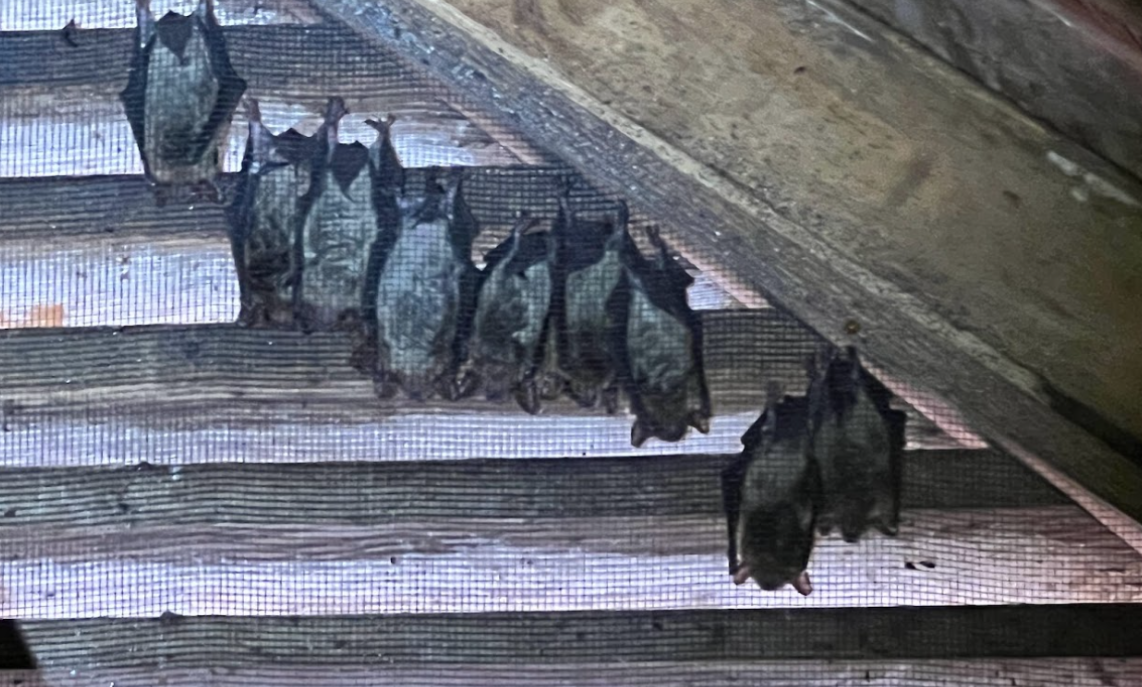
Signs You May Have Bats in Your Attic
Bats are often quiet and can remain hidden inside a home for weeks or months. Many homeowners do not realize they have a colony until they notice activity near the roof at sunset.
Common signs of bats in a house include:
Bats Flying From the Roofline at Dusk
One of the clearest warning signs is seeing bats emerge from a roof vent, gable vent, chimney, soffit, fascia board, or ridge vent shortly after sunset.
Watching the home from a safe distance at dusk may help reveal where bats are exiting. However, the absence of visible activity on a single evening does not necessarily mean the home is bat-free.
Droppings Near an Entry Point
Bat droppings, known as guano, may collect beneath roofline openings, attic vents, shutters, siding gaps, or inside the attic.
Guano can resemble mouse droppings, but it often crumbles into a fine powder when disturbed. Homeowners should avoid sweeping or vacuuming suspected bat guano because disturbing accumulated droppings may release particles into the air.
Scratching or Fluttering Sounds
Bats may create light scratching, squeaking, or fluttering noises inside walls or attics. These sounds may be more noticeable around dusk as the colony becomes active or around dawn when bats return to the roost.
Dark or Greasy Marks Around Openings
Repeated entry and exit can leave dark staining around small openings in siding, vents, fascia boards, and roof edges.
Strong or Unusual Attic Odors
A large colony or long-term infestation may produce a strong, musty, or ammonia-like odor. Persistent odors can indicate guano and urine contamination that may require professional cleanup after the bats are removed.
For more warning signs, read5 Signs You Have Bats Living in Your Home.
Why You Should Not Seal Bat Entry Points Yourself
Finding a gap near the roofline and sealing it may seem like a simple solution. Unfortunately, sealing an active bat entrance at the wrong time—or before all bats have left—can trap animals inside the structure.
Trapped bats may move deeper into the attic, enter wall cavities, or find their way into the living areas of the home. Sealing one opening without addressing the rest of the roofline may also cause the colony to begin using another nearby gap.
DIY repellents, bright lights, ultrasonic devices, mothballs, and sprays do not provide a reliable long-term solution. Effective bat control requires a complete inspection, properly installed one-way devices, and detailed exclusion work.
A licensed wildlife professional can determine how the bats are entering, whether the building conditions are appropriate for exclusion, and which repairs are needed to prevent another colony from moving in.
What Happens After the Bats Are Removed?
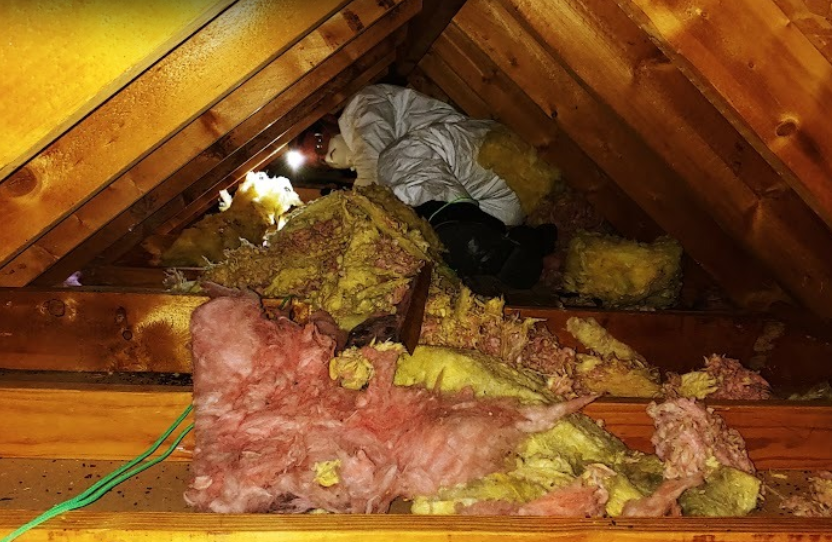
Removing the colony is only one part of restoring the home. If bats have occupied an attic for an extended period, guano and urine may have contaminated insulation or other building materials.
Depending on the extent of the problem, the attic may need:
Removal of accumulated bat guano
Disposal of contaminated nesting materials
Sanitization and deodorization
Removal of damaged or compressed insulation
Installation of new attic insulation
Repairs to soffits, vents, fascia, flashing, or roof gaps
Protective barriers around vulnerable vents and roof openings
Triad Wildlife Experts providesattic remediation and wildlife cleanup for homes affected by bats and other nuisance wildlife.
If contamination has damaged the insulation, professionalattic insulation replacement can help restore energy efficiency and create a cleaner attic environment.
Why August Is a Smart Time to Schedule a Bat Inspection
Once the North Carolina exclusion moratorium ends, demand for bat removal services often increases. Homeowners who discovered activity during the summer may all be trying to schedule inspections and exclusions at the same time.
Scheduling early in August gives you an opportunity to:
Confirm whether bats are actively roosting in the home.
Locate entry points before they cause additional damage.
Begin a humane exclusion when conditions allow.
Address contaminated insulation or guano buildup.
Seal vulnerable openings before bats return.
Prepare the home before cooler fall weather arrives.
Even if you are not completely certain that bats are present, an inspection can help distinguish bat activity from squirrels, flying squirrels, mice, birds, or other animals commonly found in Triad-area attics.
Local Bat Removal Throughout the North Carolina Triad
Homes throughout the Piedmont Triad can be vulnerable to bat activity, particularly properties near wooded areas, parks, ponds, creeks, and other natural feeding habitats.
Triad Wildlife Experts provides professional bat inspections, humane exclusion, wildlife-proofing, attic cleanup, and damage repair throughout:
Greensboro
Winston-Salem
High Point
Kernersville
Oak Ridge
Stokesdale
Clemmons
Lewisville
Surrounding communities across the Triad
Whether you need bat removal in Greensboro, have discovered guano in a Winston-Salem attic, or are seeing bats leave the roofline of a home in High Point or Kernersville, our team can evaluate the property and recommend an appropriate solution.
Frequently Asked Questions About Bat Removal in North Carolina
When does bat removal season begin in North Carolina?
North Carolina’s bat eviction moratorium runs from May 1 through July 31. Humane bat exclusion can generally resume beginning August 1, when young bats are typically able to fly from the roost.
Can my home still be inspected during bat maternity season?
Yes. A wildlife professional can inspect the home, identify activity, evaluate entry points, and prepare a plan for exclusion. Certain repairs that keep bats out of living spaces may also be possible, but active colony exits should not be sealed during the moratorium without appropriate authorization.
Is bat exclusion the same as extermination?
No. Professional bat exclusion allows bats to leave the building naturally through one-way devices and prevents them from returning. Bats are not poisoned or exterminated.
How long does bat exclusion take?
The timeline depends on the size and condition of the home, the number of entry points, weather, and the location of the colony. Exclusion devices generally remain in place long enough to allow the bats to exit before the final openings are sealed.
Do I need attic cleanup after bat removal?
Not every bat problem requires extensive remediation. However, cleanup may be recommended when there is accumulated guano, urine staining, persistent odor, or contaminated insulation. A professional inspection can determine the extent of the damage.
What should I do if I find a bat inside my bedroom?
Do not touch the bat with bare hands. Keep people and pets away from it and contact your local health department for guidance—especially if the bat was found in a room with a sleeping person, young child, or someone who may not be able to confirm whether direct contact occurred.
Schedule Bat Removal in Greensboro, Winston-Salem, or the Triad
If you have been waiting for North Carolina’s bat exclusion moratorium to end, now is the time to schedule an inspection.
Triad Wildlife Experts provides safe, humane, and thorough bat removal services designed to solve the immediate problem and help keep bats from returning. From roofline inspections and one-way exclusion to attic remediation and insulation replacement, our team can help protect your home through every stage of the process.
Contact Triad Wildlife Experts or call (336) 365-0564 to schedule a bat inspection in Greensboro, Winston-Salem, High Point, or a surrounding Triad community.
