
5 Signs You Have Bats Living in Your Home
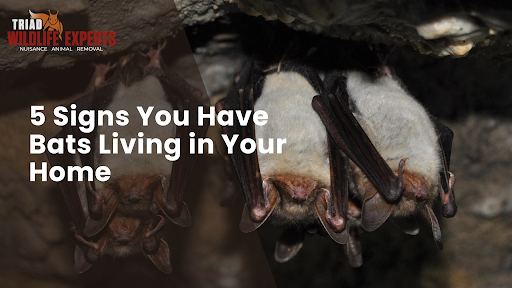
Bats play an important role in North Carolina’s ecosystem, but that doesn’t mean you want them living in your attic, chimney, or walls. In the Triad region, bat activity often increases during the warmer months as bats search for safe, quiet places to roost - and unfortunately, homes can become the perfect target.
The tricky part? Many homeowners don’t realize they have bats until the problem becomes larger (and messier) than expected.
If you live in Greensboro, High Point, Winston-Salem, or surrounding areas, here are five common signs you may have bats living in your home.
1. You Hear Scratching or Chirping at Dusk
One of the earliest signs of a bat infestation is unusual noise coming from the attic or walls around sunset and sunrise.
Unlike squirrels, which are typically active during the day, bats are nocturnal. Homeowners often describe hearing:
Light scratching
Fluttering
High-pitched chirping
Rustling sounds after sunset
If the noises seem to increase in the evening, bats may be entering or leaving your home through small gaps near the roofline, vents, or chimney.
2. You Notice Staining Near Rooflines or Entry Points
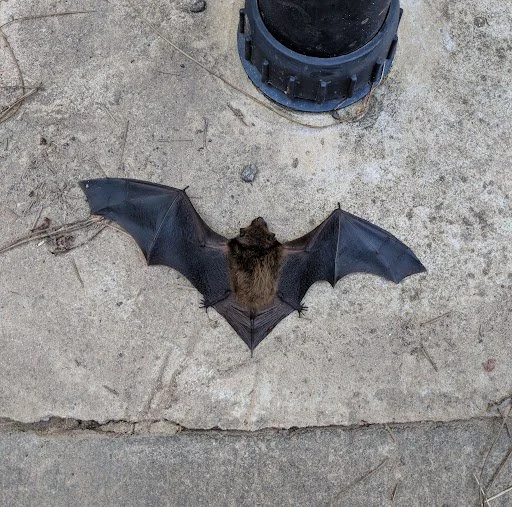
Bats can squeeze through openings as small as 3/8 of an inch. Over time, repeated use of these entry points leaves behind dark staining caused by body oils and dirt.
Check areas around:
Roof edges
Soffits
Chimneys
Gable vents
These stains often appear brown or black and may look greasy.
Homes throughout Greensboro and Winston-Salem commonly experience bat entry issues around aging rooflines and attic ventilation systems.
3. Bat Droppings (Guano) Start Appearing
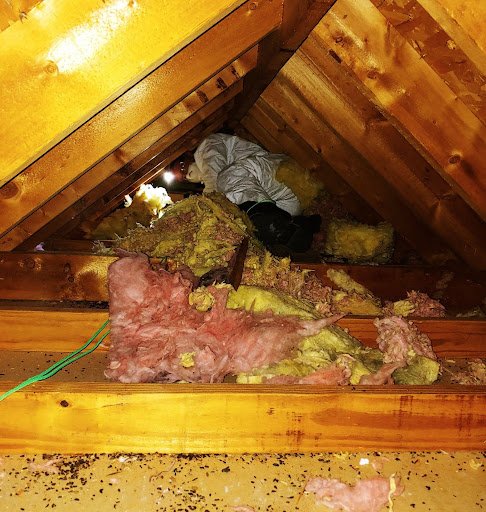
Bat droppings, known as guano, are one of the clearest indicators of a bat problem.
Guano is typically:
Small and dark
Crumbly in texture
Found in piles near entry points or attic spaces
While it may seem minor at first, bat guano can create serious odor issues and potentially expose homeowners to health concerns if left untreated.
That’s why professional cleanup and attic remediation are often recommended after removal.
Learn more about attic cleanup and insulation restoration services here: Attic Remediation & Insulation Services
4. You See Bats Flying Around Your Home at Sunset
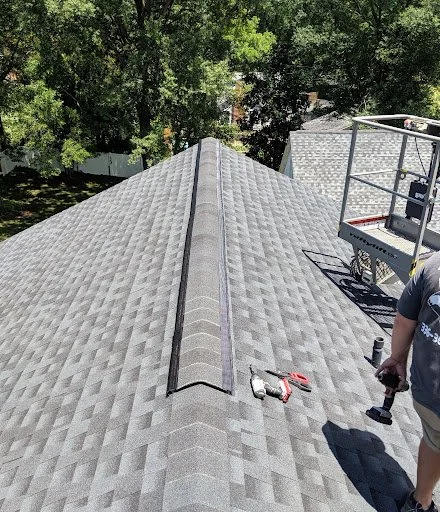
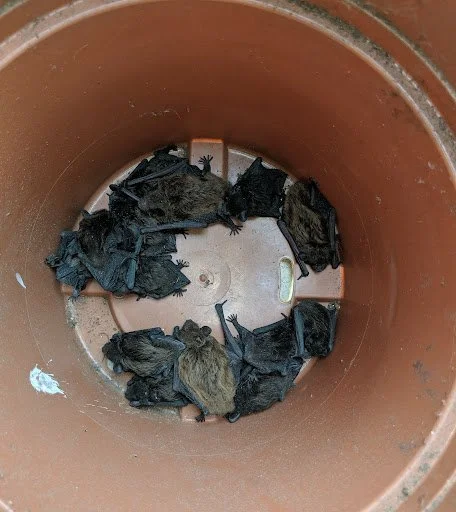
It’s normal to occasionally see bats outdoors in North Carolina. However, if you consistently notice bats circling your roofline or exiting from the same area at dusk, there’s a strong chance they may be roosting inside your home.
Common bat entry areas include:
Loose flashing
Chimneys
Gaps behind gutters
Attic fan openings
Professional exclusion is the safest and most effective way to remove bats while preventing them from returning.
5. There’s a Strong Musty Odor in the Attic
A lingering ammonia-like or musty smell in the attic can signal a larger bat colony.
As guano accumulates, moisture and odor build up quickly — especially during North Carolina’s humid spring and summer months.
Over time, this can lead to:
Contaminated insulation
Stained ceilings
Mold growth
Poor indoor air quality
In many cases, homeowners don’t realize the extent of the contamination until an attic inspection is performed.
Why DIY Bat Removal Can Create Bigger Problems
Bat removal is more complicated than many homeowners realize. In North Carolina, there are important restrictions surrounding bat exclusion during maternity season, when baby bats are unable to fly.
Improper sealing or trapping can:
Separate mothers from pups
Cause bats to die inside walls
Lead to strong odors and insect activity
Make the infestation worse
That’s why humane exclusion performed by trained wildlife professionals is strongly recommended.
Professional Bat Removal in Greensboro, Winston-Salem & High Point
AtTriad Wildlife Experts, we provide humane bat removal and exclusion services throughout the North Carolina Triad. Our team identifies entry points, safely removes bat colonies, seals vulnerable areas, and restores contaminated attic spaces when necessary.
If you suspect bats may be living in your home, addressing the issue early can help prevent costly damage and health concerns later on.
Frequently Asked Questions About Bats in North Carolina
-
Bats are generally not aggressive, but they can carry diseases and should never be handled directly.
-
Bat activity typically increases during spring, summer, and early fall.
-
Yes. Bat guano and urine can contaminate insulation, leading to odor and sanitation concerns.
-
Bats commonly enter through tiny gaps around rooflines, vents, soffits, chimneys, and attic fans.
-
Certain removal methods may be restricted during maternity season to protect flightless baby bats. A professional wildlife company can determine the safest legal timing.
