
Raccoon Baby Season in North Carolina: What Homeowners Should Know
If you’ve been hearing scratching, thumping, or soft chittering sounds in your attic this spring, you’re not alone - and you’re definitely not imagining it.
Across North Carolina, raccoon baby season is in full swing. For homeowners in the Triad region, this is one of the most common (and stressful) times of year for unexpected wildlife activity inside the home.
Here’s what you need to know - and what to do if a mother raccoon has chosen your attic as her nursery.
When Is Raccoon Baby Season in North Carolina?
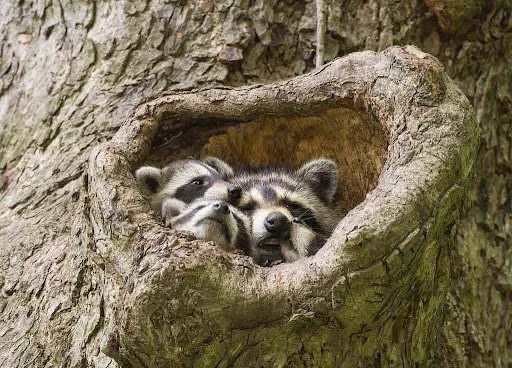
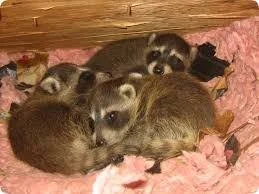
In North Carolina, raccoon baby season typically runs from late February through early May, with a second, smaller birthing window sometimes occurring in the summer.
During this time, female raccoons are actively searching for safe, warm, and quiet places to give birth - and your attic checks all the boxes.
Why Raccoons Choose Your Home
Attics, crawl spaces, and soffits offer everything a raccoon needs to raise her young:
Protection from predators
Stable temperatures
Soft insulation for nesting
Easy access points (roof vents, gaps, or damaged fascia)
Once inside, a mother raccoon will create a den and stay put while caring for her babies - meaning the problem won’t resolve on its own.
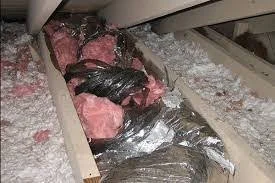
Signs You May Have Raccoons (and Babies) in Your Attic
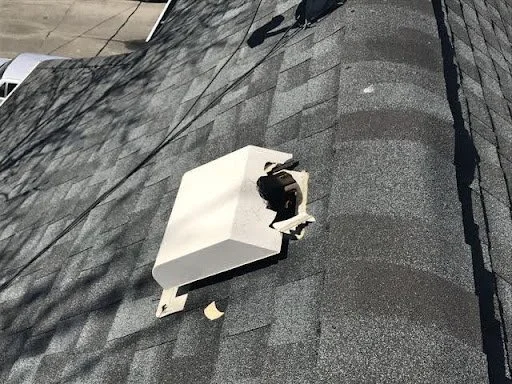
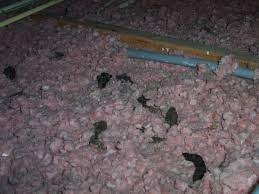
Not sure what you’re hearing? Here are some telltale signs of raccoon activity:
Heavy thumping or walking sounds (especially at night)
High-pitched chirping or crying (baby raccoons)
Insulation that’s been torn or flattened
Strong odors from urine or droppings
Visible damage to roof vents or entry points
If you’re hearing both movement and vocal noises, there’s a strong chance babies are present.
Why DIY Removal Can Make Things Worse
It might be tempting to try and handle the situation yourself - but raccoon baby season requires a careful, informed approach.
Separating a mother from her babies can lead to:
Dead animals in your attic (and lingering odor)
Increased damage as the mother tries to get back in
Health risks from exposure to waste and parasites
Raccoons are also protected under North Carolina wildlife laws, meaning improper removal methods can create legal issues as well.
The Safe & Humane Way to Handle Raccoon Removal
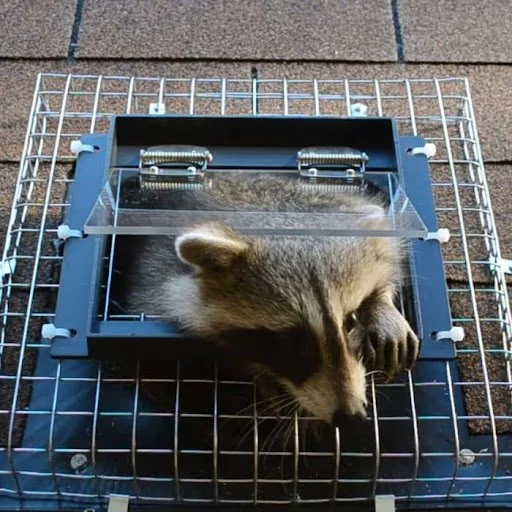
At Triad Wildlife Experts, the process is designed to be both effective and humane, especially during baby season:
1. Full Inspection
Identify entry points, nesting areas, and confirm the presence of babies.
2. Humane Removal
Carefully remove or relocate babies and ensure the mother is safely excluded using proper techniques.
3. Entry Point Sealing
Close off all access points to prevent future invasions.
4. Damage Repair & Cleanup
Replace contaminated insulation, sanitize affected areas, and install protective guards where needed.
This approach ensures the problem is handled completely - not just temporarily.
Preventing Raccoons from Returning
Once raccoons have been removed, prevention becomes key. Homeowners in Greensboro, Winston-Salem, and Kernersville should consider:
Installing roof vent covers and chimney caps
Repairing loose soffits or fascia
Scheduling seasonal home inspections
Keeping tree limbs trimmed away from the roofline
These small upgrades can make a big difference - especially during peak wildlife seasons.
Don’t Wait - Raccoon Problems Grow Quickly
A single raccoon can cause significant damage in just a few days. Add a litter of babies, and the situation can escalate fast.
If you’re hearing noises or suspect wildlife in your attic, it’s best to act early before the damage (and cost) increases.
Need Help with Raccoon Removal in the Triad?
Triad Wildlife Experts specializes in humane raccoon removal in Greensboro, Winston-Salem, and surrounding North Carolina areas. Our licensed technicians handle everything from inspection to repair—so you can feel confident your home is protected.
If something doesn’t sound right in your attic, trust your instincts - and let a local expert take a look.
