
Is Your Home Ready for Fall Wildlife? A Checklist for Triad Homeowners
Fall brings cooler temperatures, changing food sources, and increased wildlife activity throughout North Carolina’s Piedmont Triad. While animals do not necessarily disappear when summer ends, their routines often change as they search for dependable food and protected places to rest.
For squirrels, raccoons, opossums, mice, and rats, an accessible attic, crawl space, chimney, or shed can provide exactly what they need. A small opening that went unnoticed all summer may become an easy entrance into your home.
Completing a fall wildlife inspection can help you identify these weak spots before animals move in and cause damage. Use this checklist to prepare your property for the season ahead.
Which Animals Cause Problems Around Triad Homes in the Fall?
Several animals remain active around Greensboro, Winston-Salem, High Point, Kernersville, and surrounding communities during the fall.
Squirrels
Squirrels are active during the day and frequently travel across roofs, fences, and tree branches. Loose soffits, damaged fascia, uncovered attic vents, and roofline gaps may give them access to an attic.
Once inside, squirrels can disturb insulation, build nests, leave droppings, and chew on wood or wiring.
Raccoons
Raccoons are strong, capable climbers. They may enter attics through damaged roof vents, soffits, fascia, or uncapped chimneys. They are also attracted to unsecured trash, outdoor pet food, bird feeders, and other readily available food sources.
Raccoons are heavier than squirrels, so homeowners may hear slow movement, thumping, or heavier footsteps overhead, particularly at night.
Opossums
Opossums typically look for sheltered spaces closer to the ground. They may hide beneath porches, decks, sheds, stairs, or inside accessible crawl spaces.
If you have seen one repeatedly near the same opening, read our guide on what to do when there is an opossum under your porch or in your crawl space.
Mice and Rats
Rodents can squeeze through surprisingly small openings around foundations, utility lines, vents, garages, and siding. Once inside, they may move through walls, ceilings, attics, and crawl spaces.
Because rodents reproduce quickly, early prevention is much easier than addressing an established infestation.
Your Fall Wildlife Prevention Checklist
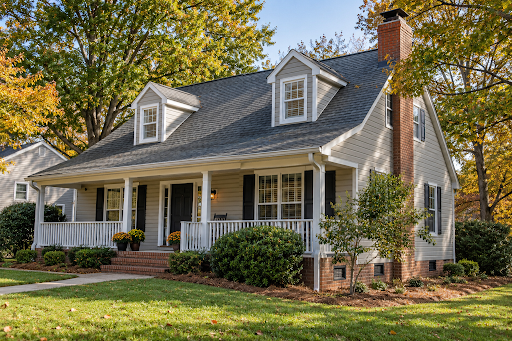
Walk around your property before temperatures drop and inspect it from the roofline to the foundation. You do not need to climb onto the roof or enter a confined crawl space. Many warning signs can be identified safely from the ground.
1. Inspect the Roofline and Soffits
Begin by looking for visible openings along the edges of your roof.
Check for:
Loose or damaged soffit panels
Rotting or separated fascia boards
Lifted shingles
Gaps near dormers
Damage around roof intersections
Areas where wildlife appears to have scratched or chewed
Squirrels and raccoons may take advantage of existing damage or enlarge a weak opening. If you see a gap but are unsure whether it is active, have it inspected before closing it.
2. Check Attic Fans and Roof Vents
Attic fans and roof vents provide necessary ventilation, but weak screens and loose covers can leave an opening for wildlife.
From the ground, look for:
Bent or missing covers
Loose screening
Visible gaps around the fan or vent
Nesting material
Animal droppings on the roof or siding below
Wildlife protection should block animals without restricting the airflow the vent was designed to provide. Professionally fitted guards can offer a stronger solution than lightweight screening.
3. Trim Branches Away From the Roof
Tree branches that touch or hang close to the roof can give squirrels a convenient route to your home. Raccoons are also excellent climbers and may use nearby trees, fences, or structures to reach a roofline.
Trim branches back from the house when it can be done safely. If large limbs are involved or the branches are near power lines, contact a qualified tree professional.
Trimming branches will not solve an existing wildlife problem, but it can make your roof less accessible.
4. Clean and Inspect the Gutters
Fall leaves can quickly fill gutters and downspouts. Clogged gutters trap moisture, contribute to fascia damage, and may hide vulnerable sections of the roofline.
While cleaning the gutters, check for:
Loose or sagging sections
Damage behind the gutter
Rotting fascia
Gaps near the roof edge
Signs of scratching or nesting
Properly installed gutter protection can help manage leaf buildup and reinforce an area wildlife frequently explores. Learn more about gutter, vent, and ridge guards for wildlife prevention.
5. Inspect the Chimney
An uncapped or damaged chimney can provide a sheltered entry point for raccoons, squirrels, birds, and other animals.
Confirm that your chimney has a secure cap that is in good condition. Watch for nesting material, damaged screening, droppings, or sounds coming from the fireplace or chimney.
Never light a fire to force an animal out. If you suspect an animal is inside, contact a wildlife professional before using the fireplace.
6. Check Foundation Vents
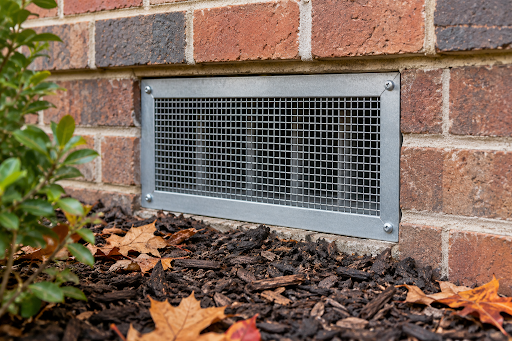
Foundation vents are one of the most important areas to inspect before fall. Plastic covers can crack, loosen, or be pushed aside, creating direct access to a crawl space.
Check each vent for:
Cracks or missing sections
Loose framing
Chewed materials
Bent screens
Gaps around the edges
Tracks or disturbed soil nearby
Durable foundation vent guards can help keep animals out while maintaining the airflow your crawl space needs.
7. Examine Porches, Decks, and Crawl Spaces
Look around the base of porches, decks, stairs, sheds, and other raised structures.
Possible signs of wildlife activity include:
Newly disturbed soil
Openings in lattice or barriers
Tracks or droppings
Nesting material
Strong odors
Repeated sightings near the same location
Opossums, raccoons, and other animals may use these protected areas as temporary or established shelter.
Do not reach into an opening or crawl beneath the structure to investigate. Limited visibility makes it difficult to know what animal is present or how it may react.
8. Secure Trash and Outdoor Food
A dependable food source can encourage wildlife to return to your property night after night.
Reduce attractants by:
Using garbage cans with secure lids
Keeping trash inside a garage or enclosed area when possible
Bringing pet food and water indoors overnight
Cleaning outdoor grills
Collecting fallen fruit
Cleaning up spilled birdseed
Keeping compost properly contained
If an animal has already moved into your attic or crawl space, removing food will not be enough on its own. However, it is an important part of preventing future activity.
9. Clear Debris Near the Foundation
Brush, overgrown vegetation, stacked firewood, fallen leaves, and unused materials can provide cover for wildlife close to your home.
Keep the area around your foundation as open and visible as possible. Store firewood away from the house and elevate it off the ground. Remove unnecessary debris from around crawl-space vents, sheds, porches, and exterior utility lines.
A cleaner perimeter makes wildlife activity easier to notice and gives animals fewer protected places to hide.
10. Inspect Exterior Utility Openings
Check where pipes, cables, vents, and utility lines enter the home. Gaps around these openings can provide access for mice, rats, and other small animals.
Pay particular attention to:
Air-conditioning lines
Plumbing penetrations
Dryer vents
Exterior faucets
Cable and internet lines
Garage-door corners
Any repair should use durable materials appropriate for the opening. Foam alone may not stop an animal that can chew through it.
11. Look and Listen for Early Warning Signs
Wildlife problems are usually easier to resolve when they are identified early.
Watch and listen for:
Scratching or scurrying in the walls
Thumping or heavy movement overhead
Noises beneath the floor
Droppings in an attic, garage, or crawl space
Strong or unexplained odors
Damaged insulation
Chewed wires or wood
An animal repeatedly entering the same opening
The location and timing of the noise can provide useful clues, but different animals can sound surprisingly similar inside a house. A professional inspection is the safest way to identify the source.
Do Not Seal an Opening Until You Know It Is Empty
Finding a gap does not mean you should immediately close it.
If an animal is already inside, sealing the opening may trap it in the attic, crawl space, chimney, or wall. The animal could cause more damage while attempting to escape. Closing an active entrance could also separate an adult animal from its young.
Before repairing a suspected wildlife opening:
Identify which animal is using it.
Determine whether additional animals or young are present.
Use the appropriate removal or exclusion method.
Confirm that the space is empty.
Repair and reinforce the opening.
Triad Wildlife Experts uses a complete process that includes inspection, safe removal, entry-point repair, and prevention. Learn more about why professional humane wildlife removal matters.
Why Early Fall Is a Good Time for a Wildlife Inspection
A fall inspection gives homeowners an opportunity to address weak spots before wildlife activity turns into a larger problem.
Early prevention may help you avoid:
Contaminated insulation
Droppings and urine inside the home
Persistent odors
Chewed electrical wiring
Damaged vents, soffits, or fascia
Torn ductwork
Recurring animal entry
More extensive repairs and cleanup
If wildlife has already contaminated or damaged your attic, removal may only be the first step. Professional attic remediation and wildlife cleanup can address affected insulation, nesting material, droppings, odors, and sanitation concerns.
Protect Your Triad Home Before Wildlife Moves In
You do not have to wait until you hear something moving overhead to think about wildlife prevention.
A careful fall inspection can uncover loose vents, damaged barriers, accessible food, and other conditions that attract animals. Addressing these issues early can protect your attic, crawl space, roofline, and foundation throughout the cooler months.
Triad Wildlife Experts provides humane wildlife removal, property inspections, entry-point repair, and prevention services throughout Greensboro, Winston-Salem, High Point, Kernersville, and surrounding North Carolina communities.
If you have noticed wildlife activity or want help preparing your home for fall, contact Triad Wildlife Experts or call (336) 365-0564 to schedule an inspection.
